
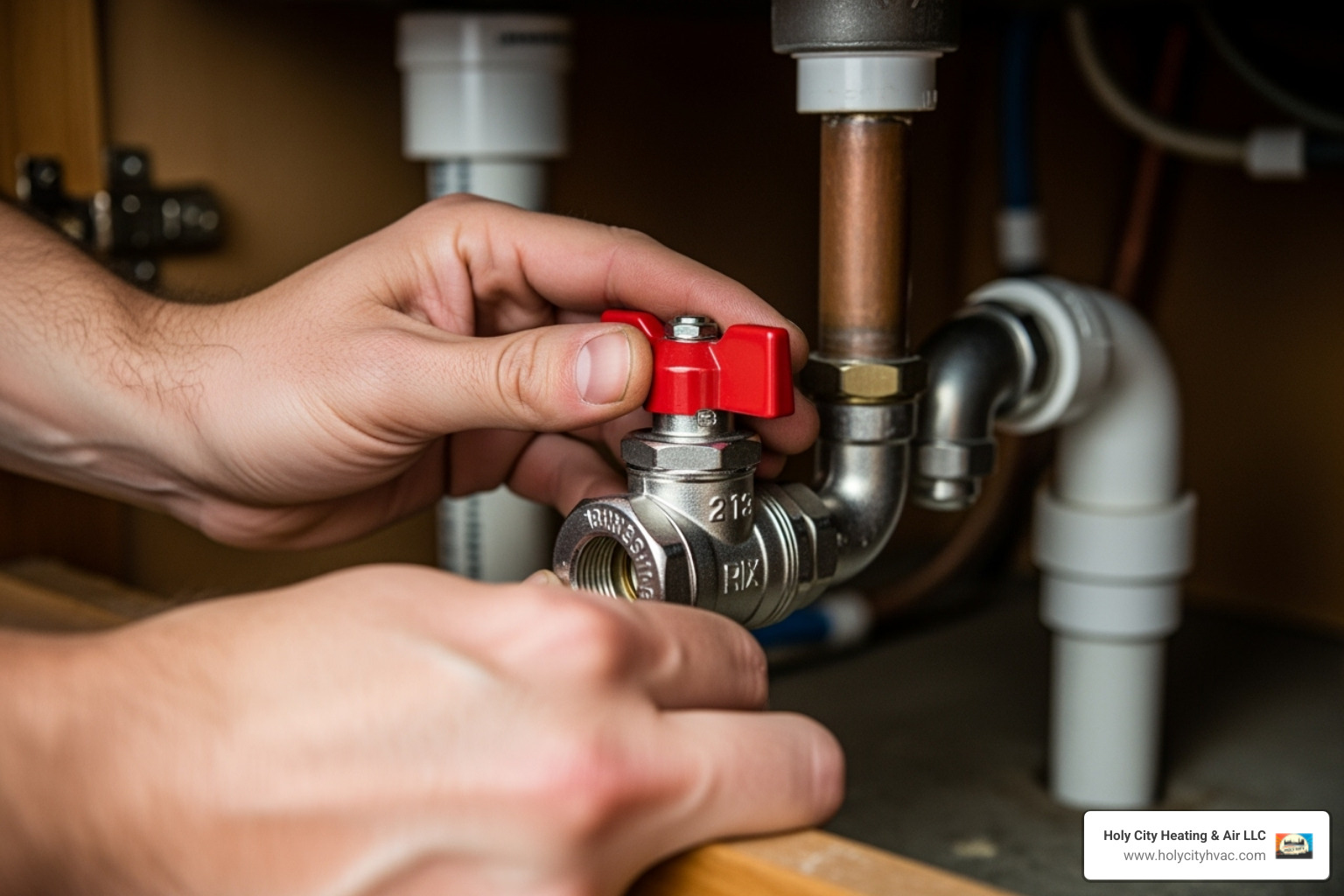
Plumbing systems are designed to last for years, but exposure to moisture, mineral buildup, and corrosion can cause threaded joints and fittings to seize over time. When this happens, even simple maintenance tasks can turn into frustrating challenges. This is where penetrating oil becomes an essential tool for both professionals and homeowners.
Understanding how to properly use penetrating oil can save time, prevent damage, and make stubborn plumbing connections easier to loosen. This guide walks you through the entire process in a practical, step by step manner while also explaining the science behind why it works.
What Causes Plumbing Connections to Seize
Before diving into the application process, it helps to understand why plumbing connections become stuck in the first place.
Seized connections are usually caused by corrosion, mineral deposits, or prolonged exposure to water and air. Metals such as steel and iron can oxidize, forming rust that locks threads together. In areas with hard water, mineral buildup can further cement joints in place.
Temperature fluctuations also play a role. Expansion and contraction over time can tighten fittings, making them harder to loosen manually.
This combination of factors creates a bond that often cannot be broken by force alone. That is where penetrating oil proves invaluable.
What Is Penetrating Oil and How It Works
Penetrating oil is a low viscosity lubricant designed to seep into tight spaces between metal surfaces. Unlike regular lubricants, it is engineered to break down rust, dissolve contaminants, and reduce friction at a microscopic level.
When applied to a seized plumbing joint, penetrating oil travels along the threads and disrupts the bond caused by corrosion or debris. Over time, it weakens the grip, allowing the connection to loosen with significantly less effort.
Choosing the best penetrating oil for plumbing ensures better performance, especially in environments where moisture and mineral deposits are common.
Tools and Materials You Will Need
Before starting, gather the necessary tools and materials to ensure a smooth process.
You will need penetrating oil, a wrench or pipe wrench, a wire brush, clean cloths, and protective gloves. In some cases, you may also need a heat source such as a heat gun if the connection is extremely stubborn.
Having everything ready beforehand reduces interruptions and allows you to work more efficiently.
Step One Prepare the Area
Begin by clearing the area around the seized connection. Remove any dirt, dust, or debris that may block the penetrating oil from reaching the threads.
Use a wire brush to clean off visible rust or buildup. This step is important because it exposes more surface area, allowing the oil to penetrate deeper.
Wipe the area with a clean cloth to remove loose particles. A clean surface ensures maximum effectiveness.
Step Two Apply Penetrating Oil Generously
Once the area is prepared, apply penetrating oil directly onto the seized connection. Focus on the joint where the threads meet.
Do not rush this step. Apply enough oil to fully coat the area. The goal is to allow the liquid to seep into every small gap.
If the connection is vertical, apply from the top so gravity helps the oil travel downward into the threads.
Step Three Allow Time for Penetration
Patience is critical when using penetrating oil. After application, allow it to sit for at least fifteen to thirty minutes.
For severely seized connections, letting it sit for several hours or even overnight can produce better results.
During this time, the oil works its way into the threads, breaking down rust and loosening the bond.
Reapplying penetrating oil during this waiting period can further enhance effectiveness.
Step Four Tap the Connection Lightly
After the oil has had time to penetrate, gently tap the connection using a wrench or a small hammer.
This step may seem minor, but it plays an important role. The vibrations help the oil move deeper into the threads and break apart stubborn deposits.
Be careful not to apply excessive force, as this can damage the pipe or fitting.
Step Five Attempt to Loosen the Connection
Now it is time to try loosening the connection.
Use a properly sized wrench to grip the fitting securely. Apply steady, even pressure rather than sudden force.
If the connection does not move immediately, do not force it. Instead, apply more penetrating oil and give it additional time.
Gradual pressure combined with lubrication is far more effective than brute strength.
Step Six Use Heat if Necessary
For extremely stubborn connections, applying heat can help expand the metal and break the bond.
Use a heat gun to warm the fitting evenly. Avoid open flames, especially in enclosed spaces or near flammable materials.
After heating, apply another round of penetrating oil. The heat helps draw the oil deeper into the threads.
Allow it to cool slightly before attempting to loosen the connection again.
Step Seven Repeat the Process if Needed
In some cases, one application may not be enough. Repeating the process can gradually weaken even the most stubborn connections.
Apply penetrating oil, wait, tap, and attempt to loosen again. Each cycle improves the chances of success.
Persistence often makes the difference between a stuck fitting and a successful repair.
Common Mistakes to Avoid
Even though penetrating oil is straightforward to use, certain mistakes can reduce its effectiveness.
One common mistake is rushing the process. Not allowing enough time for the oil to penetrate can lead to unnecessary force and potential damage.
Another mistake is using the wrong tools. Improperly sized wrenches can strip fittings, making the situation worse.
Over applying force is also a frequent issue. Excessive pressure can break pipes or damage threads, leading to costly repairs.
Finally, skipping the cleaning step can limit the oil’s ability to reach the threads, reducing its effectiveness.
Tips for Choosing the Right Penetrating Oil
Selecting the best penetrating oil for plumbing can make a significant difference in performance.
Look for a formula designed to handle rust, corrosion, and moisture. A high quality penetrating oil should have excellent capillary action, allowing it to flow into tight spaces easily.
Consider the environment where it will be used. Plumbing systems often involve damp conditions, so moisture resistance is important.
Ease of application is another factor. A precise applicator helps target the exact area without waste.
While many options are available, the key is choosing one that balances penetration, lubrication, and corrosion resistance.
Safety Considerations
Working with plumbing systems and chemical products requires attention to safety.
Always wear gloves to protect your skin from prolonged exposure to penetrating oil. Use eye protection if there is a risk of splashing.
Ensure proper ventilation when working indoors, as fumes can accumulate in enclosed spaces.
If using heat, keep flammable materials away and work carefully to avoid burns or fire hazards.
Following these precautions ensures a safe and effective repair process.
When to Seek Professional Help
While penetrating oil can solve many issues, some situations require professional expertise.
If the connection remains stuck despite multiple attempts, forcing it further can cause damage. In such cases, a professional plumber may have specialized tools or techniques to resolve the issue.
Old or fragile plumbing systems also require extra caution. Attempting to loosen a seized connection in these systems can lead to leaks or breakage.
Knowing when to stop and seek help can save both time and money.
Seized plumbing connections can be frustrating, but they are not impossible to handle. With the right approach and proper use of penetrating oil, even the most stubborn fittings can be loosened safely and efficiently.
The key lies in preparation, patience, and technique. Cleaning the area, applying penetrating oil generously, allowing sufficient time for penetration, and using controlled force all contribute to success.
Choosing the best penetrating oil for plumbing further enhances the process, ensuring better results with less effort.
By following this step by step guide, you can approach plumbing repairs with confidence and avoid unnecessary damage. Whether you are handling routine maintenance or tackling a challenging repair, penetrating oil remains a reliable and effective solution for keeping your plumbing system in working order.